The overlooked signs of ADHD in women
She is the kind of person who loses her keys three times before noon, forgets what she walked into a room for, and arrives at the end of a page of text with no memory of having read it. She makes lists and loses the lists. She starts things with great enthusiasm and finishes them with great difficulty. She is, by most accounts, a functioning adult who holds down a job, maintains friendships, and shows up. But underneath all of that “showing up” is an exhaustion that is hard to explain.
For years, she assumed this was anxiety. Or depression. Or simply the particular weight of being a woman with a lot on her plate.
What she didn't know, and what many women don't know for decades, is that she might have ADHD.
What ADHD symptoms actually look like in women
The image most people carry of ADHD is a small boy who cannot sit still, ricocheting off classroom walls. It is loud, visible, and disruptive. And for a significant portion of women with the condition, it is almost entirely inaccurate.
Women are far more likely to present with the inattentive form of ADHD, the quieter presentation that doesn't make a scene. Where boys and men more commonly show hyperactive, externalising symptoms, girls and women tend to internalize: quiet inattentiveness, daydreaming, disorganisation, and a restlessness that exists entirely inside their own heads. They are not bouncing off walls. They are sitting perfectly still, staring out of the window, miles away.
Because inattentive ADHD is subtle and not disruptive to anyone else, it tends not to raise red flags. Women are more likely to present with inattentive symptoms than hyperactive ones, which are less easily noticed and less likely to trigger a referral for diagnosis. A boy who cannot focus disrupts the lesson. A girl who cannot focus is told she is not trying hard enough.
Why ADHD in women is so often misdiagnosed as anxiety or depression
Many of the hallmarks of inattentive ADHD in women, including difficulty concentrating, fatigue, irritability, and emotional dysregulation, overlap significantly with anxiety and depression, which is where the diagnostic picture becomes complicated. Up to 75% of adult women with ADHD are estimated to have been misdiagnosed at some point, often with anxiety, depression, or borderline personality disorder.
Women with inattentive ADHD are often diagnosed with depression or anxiety before their ADHD is finally identified, and in some cases ADHD symptoms are misattributed entirely to those conditions, meaning the underlying cause goes unaddressed.
Women with ADHD frequently attribute their challenges to personal failings rather than an underlying condition. Societal expectations that women be organized, nurturing, and detail-oriented mean that ADHD symptoms are often read as character flaws rather than neurological ones. She is not struggling, the story goes. She is simply not disciplined enough.
Common Signs of ADHD in women that get overlooked
The signs that get missed are rarely dramatic. They are mundane, daily frictions that accumulate into something much heavier than their individual weight suggests.
Time blindness is one of the most consistent and least understood. This is not ordinary lateness. It is a genuine difficulty perceiving the passage of time, which results in chronic disorganization, missed deadlines, and a constant sense of running behind that feels impossible to correct.
Emotional sensitivity is another. Women with ADHD often experience rejection or criticism more intensely than their peers, a pattern sometimes called rejection sensitive dysphoria, which can look like anxiety, mood instability, or low self-esteem rather than ADHD.
Hyperfocus is the counterintuitive flip side. The ability to become so absorbed in an engaging task, that hours disappear entirely and everything else gets neglected, is frequently mistaken for a strength rather than a symptom.
And underneath all of it, there is cognitive overload. The sense of having too many thoughts running simultaneously, none of them cooperating, and all of them exhausting.
None of this looks like the textbook version of ADHD. And so it gets labelled something else, or nothing at all.
The long-term impact of undiagnosed ADHD in women
Spending years without the right diagnosis means the explanations that fill the gap tend to be self-critical ones. Women with ADHD are more likely to develop co-occurring mental health conditions such as anxiety or depression, and typically report lower self-esteem and confidence than their peers. When every system built to manage daily life keeps collapsing and no one can explain why, the conclusion most women arrive at is a personal one: that something is wrong with them specifically, and that other people manage just fine.
The relief many women describe upon finally receiving an accurate diagnosis is, for this reason, less about the label itself and more about the reframing it offers. It was not that she was failing. It was that she was working significantly harder than those around her, with a brain wired differently, and doing it entirely without context.
Getting that context late is not ideal. But it is still getting it.
How therapy can help women with undiagnosed or newly diagnosed ADHD
A diagnosis opens the door, but therapy is often where the real work begins. Cognitive Behavioural Therapy (CBT) is the recommended therapeutic approach for ADHD, and can empower women to work through emotional and mental health challenges, develop coping skills, and improve overall well-being. For women who have spent years interpreting their ADHD symptoms as personal failings, therapy also provides a space to revisit and reframe those conclusions.
This emotional support is particularly valuable for women who feel isolated or misunderstood due to their ADHD. Medication may be part of the picture too, but therapy addresses something that medication alone cannot: the accumulated weight of years spent not knowing why life felt so much harder than it seemed to for everyone else.
Frequently Asked Questions about ADHD signs in women
What are the most commonly overlooked signs of ADHD in women?
The most frequently missed signs include inattentiveness, disorganization, and emotional dysregulation, which are largely internal and may go unnoticed by others. Time blindness, hyperfocus, and rejection sensitivity are also commonly missed.
Why is ADHD in women so often mistaken for anxiety?
ADHD symptoms in women are frequently misdiagnosed as anxiety, depression, or bipolar disorder, and treating only those conditions does not address the underlying cause. The symptom overlap, particularly around concentration, fatigue, and emotional overwhelm, is significant enough to mislead even experienced clinicians.
Can a woman have both ADHD and anxiety at the same time?
Yes. Many women have ADHD alongside depression, anxiety, or other mental health or learning challenges, which can make it difficult to determine which condition is driving which symptoms. A thorough assessment is the most reliable way to get an accurate picture.
How is ADHD in women different from ADHD in men?
Women with ADHD often experience lower self-esteem and a poorer self-image compared to men with ADHD, and emotional dysregulation tends to be more severe and more frequent in women with the condition. Women are also more likely to mask their symptoms, which contributes to later diagnosis.
How does a woman get assessed for ADHD as an adult?
A healthcare professional will assess the individual by asking questions about symptoms and challenges, may use behavioral rating scales, and might seek input from someone who knew the person during childhood, since ADHD is a childhood-onset condition.
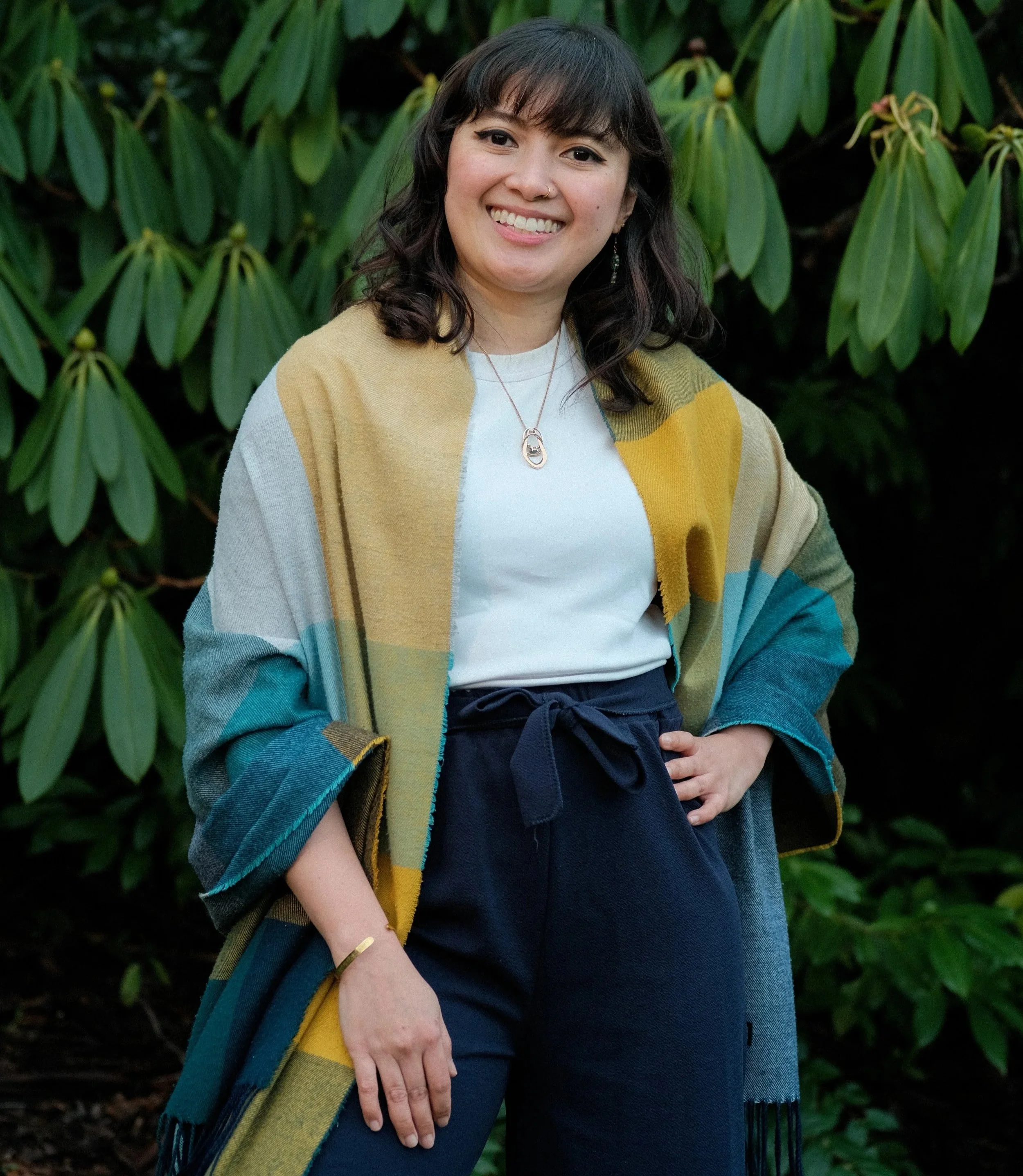
About Dhaniah Wijaya and counselling for women with ADHD
I am a registered clinical counsellor (RCC) based in Vancouver, BC with a background as a public school teacher and behavioural interventionist. I have more than a decade of experience working with neurodiverse individuals, including those with ADHD, autism, and learning disabilities.
I have supported women diagnosed with ADHD, from teenagers to older adults in their 50s. Some of that work has involved processing grief and loss, family dynamics, and symptom management for daily living.
I offer a free 20-minute consultation for you to have a sense of what it would be like to work with me, offer you a chance to ask any questions you might have, and decide if we are the right fit.