Late-identified autistic women: why many are diagnosed later in life
Some women reach adulthood with a long history of feeling out of step without a clear explanation.
They may have managed school, built careers, maintained relationships, and appeared capable in most areas of life. At the same time, certain patterns persist. Social situations require preparation. Recovery time after interaction feels necessary. Sensory environments can become overwhelming without obvious reason.
The possibility of autism often enters the picture later.
Searches for autism in women and late diagnosis autism women reflect a growing recognition that many autistic women were not identified in childhood. Understanding why this happens requires looking at how autism has traditionally been recognised.
Early models of autism
Autism was historically identified through observable behaviours in children, often based on patterns more commonly seen in boys.
These included:
clear social differences in group settings
repetitive behaviours that were externally visible
direct communication styles that stood out in classroom environments
Children who matched these patterns were more likely to receive assessment and support. Unfortunately, girls and women often presented differently. Their behaviours could be less visible, more internalized, or more easily interpreted as personality traits rather than indicators of neurological difference.
As a result, many moved through childhood without being identified.
Social adaptation and masking
One of the most significant factors in late identification involves masking.
Many autistic girls learn early to observe and imitate social behaviour. They study how others speak, respond, and interact. They eventually develop ways of blending into social environments.
This can include:
rehearsing conversations before social events
copying gestures, tone, or expressions
suppressing behaviours that draw attention
monitoring reactions closely during interactions
These strategies can be effective. Teachers and peers may see someone who appears socially engaged. However, the effort required to maintain that appearance often remains hidden.
Masking allows many autistic women to meet expectations. It also delays recognition of underlying differences.
Internalized experiences
Autistic women describe experiences that are less visible from the outside. Rather than outward behavioural differences, the difficulties may appear as:
social confusion despite appearing competent
intense mental fatigue after interaction
strong sensitivity to noise, light, or crowded spaces
a preference for structured or predictable environments
These experiences can be interpreted in different ways. Someone may be described as shy, anxious, or highly sensitive. The broader pattern of autism may not be considered.
Without a framework to explain these experiences, many women develop personal explanations that focus on personality or coping ability.
Academic and professional compensation
Another factor involves the ability to compensate in structured environments. Some autistic girls perform well academically. Clear rules, defined expectations, and individual work can align with their strengths.
Difficulties may become more noticeable in less structured settings. Workplaces, relationships, and social networks often involve ambiguity. Expectations shift depending on context. Communication relies more heavily on implied meaning.
The effort required to navigate these environments can increase over time. For many women, the strain becomes more apparent in adulthood, even if earlier stages of life appeared manageable.
Changing awareness of autism in women
The understanding of autism has expanded in recent years. Clinicians and researchers now recognize that autism can present differently across genders. The focus has shifted toward internal experiences, sensory processing, and patterns of social adaptation.
This broader perspective has contributed to an increase in late diagnosis of autism in women.
More adults are encountering descriptions that match their experiences. Articles, assessments, and conversations introduce a framework that was not available or widely recognized in earlier years.
Late identification in Vancouver and BC
In Vancouver and across BC, late identification often unfolds in environments that reward adaptability, emotional awareness, and social fluency.
Many autistic women build outwardly stable lives in professional or academic settings, but this is often sustained through intense masking rather than genuine ease. The city’s strong focus on self-improvement and wellness can make it harder to recognize when coping is driven by effort and exhaustion.
At the same time, long wait times for assessment and diagnostic frameworks that still reflect male-centred presentations can delay recognition. For many, understanding themselves comes only after periods of burnout, relationship strain, or a growing sense of disconnection despite appearing to function well on the surface.
The moment of recognition
Recognition can happen gradually or all at once. Some women begin to notice patterns after reading about autism. Others encounter the concept through a child’s assessment or a discussion with a therapist.
Experiences that once felt disconnected begin to align. Social fatigue, sensory sensitivity, the need for structure, and long-standing feelings of difference start to form a coherent picture.
This process can feel clarifying. It can also raise new questions about identity and past experiences.
Emotional responses to late identification
A late identification of autism often brings mixed reactions. Relief appears frequently. Experiences that once seemed confusing gain context. Patterns that felt personal become easier to understand within a neurological framework.
Grief can also be present.
Some individuals reflect on earlier periods of life and consider how different support or understanding might have changed their experience. Curiosity often follows.
Learning about autism becomes a way of understanding one’s own patterns, preferences, and needs more clearly.
Moving forward with new understanding
Recognizing autism in adulthood does not change past experiences. It changes how they are interpreted.
Many women begin to adjust how they approach social interaction, work environments, and self-expectations. Strategies that felt like coping mechanisms become intentional choices aligned with how their mind works.
Our understanding of autism in women continues to evolve. As awareness grows, more individuals are able to recognize patterns earlier and access support that reflects their actual experience rather than assumptions based on outdated models.
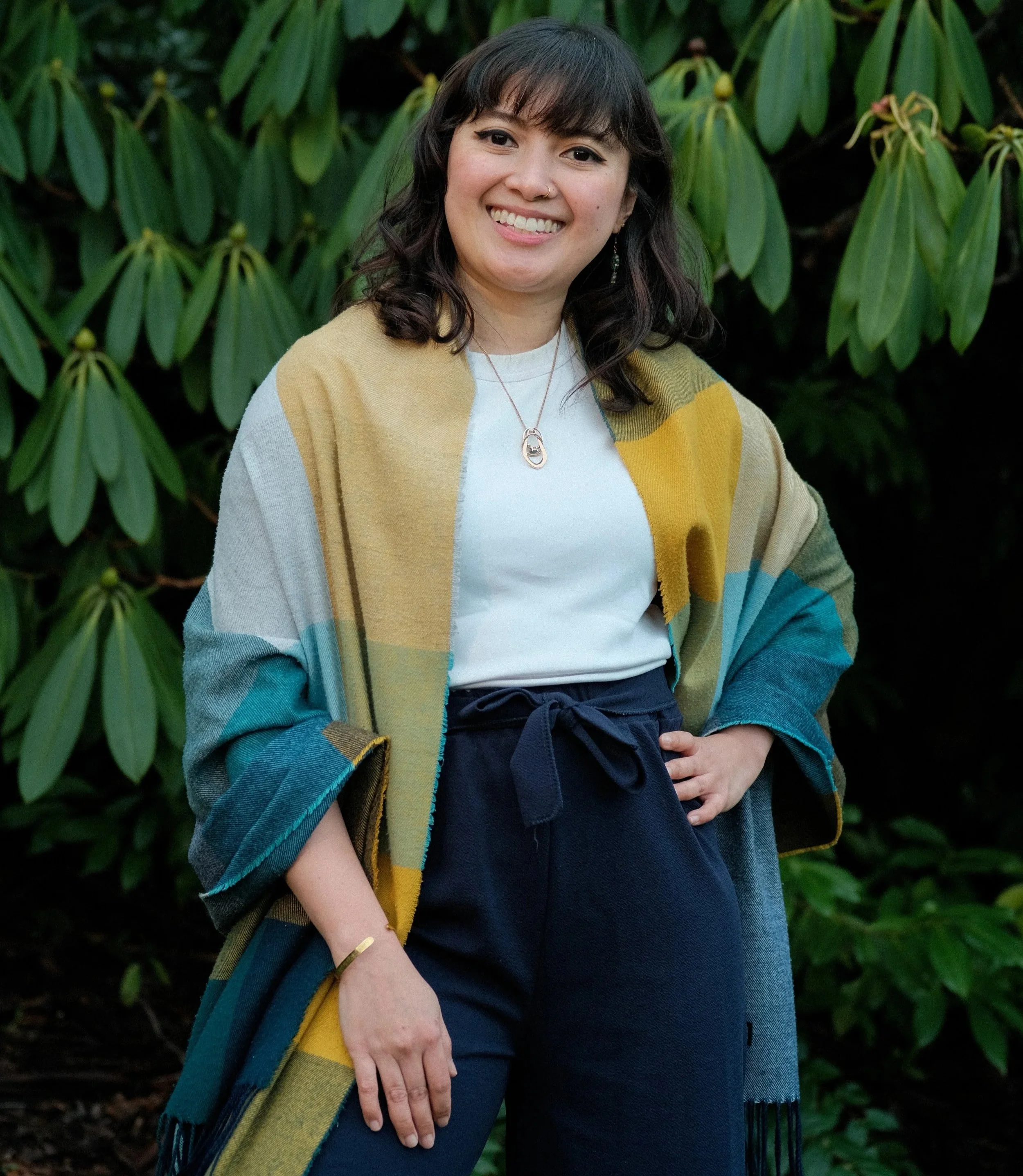
About Dhaniah Wijaya and counselling for neurodistinct individuals
I am a registered clinical counsellor (RCC) based in Vancouver with a background as a public school teacher and behavioural interventionist. With more than a decade of experience working with neurodiverse individuals, including those with ADHD, autism, and learning disabilities, I have supported clients across a wide age range, from young children as early as three years old to adults in their 50s.
I offer a free 20-minute consultation for you to have a sense of what it would be like to work with me, offer you a chance to ask any questions you might have, and decide if we are the right fit.